As I have become more involved in local politics, one of the surprising things to me is how … weird local political issues tend to be.
In a city which is constantly changing, I respect and understand people who are simply scared of change – of change in how a city looks, or who lives there, of change in prices and loss of long-running businesses. No one likes to feel like they are becoming out of place in their own community, especially a community they have lived their entire life.
That change is unlikely to stop – in fact, it is likely to accelerate, as more of the population shifts to urban centers over the next 30 years. The UN Population Division estimates that 55% of the world’s population lives in urban areas today, and that will increase to 68% by 2050. With these changes, we will see an increased need for urban density – both commercial and residential – and a growth in need for infrastructure to support that population.
The most recent case of “local politics is weird” to me is the collection of folks in my community who are creating a battle plan for protesting … expanding our electrical grid in the city.
In order to support our growing electrical needs, Eversource – the local power company – needs to install an additional transformer on an existing property hosting an electrical substation. This is needed due to the significant growth of Cambridge, including multiple large developments over the past 5 years, creating increased electrical demand.
The proposal includes a number of concessions to aesthetics: Eversource will be replacing a metal chain link fence with a more attractive coated fence; installing additional trees and other vegetation to mask the space (which currently looks mostly like a gravel parking lot), and generally has proposed a plan which should create a building which continues to fit the aesthetics of the property.
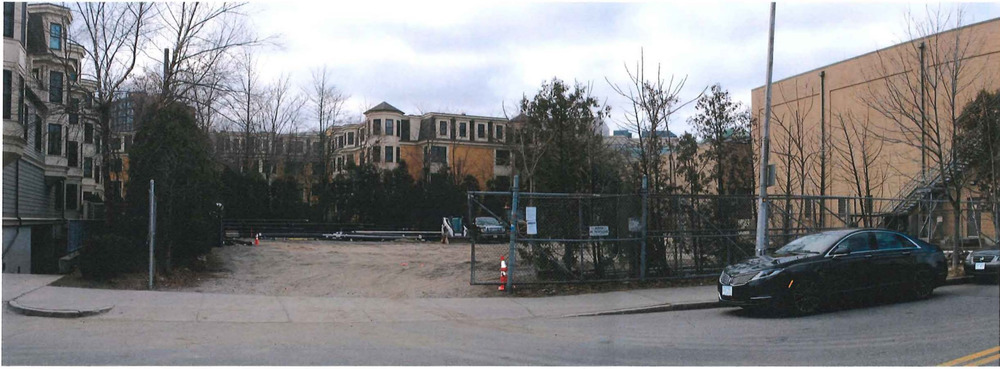 Image of the current space.
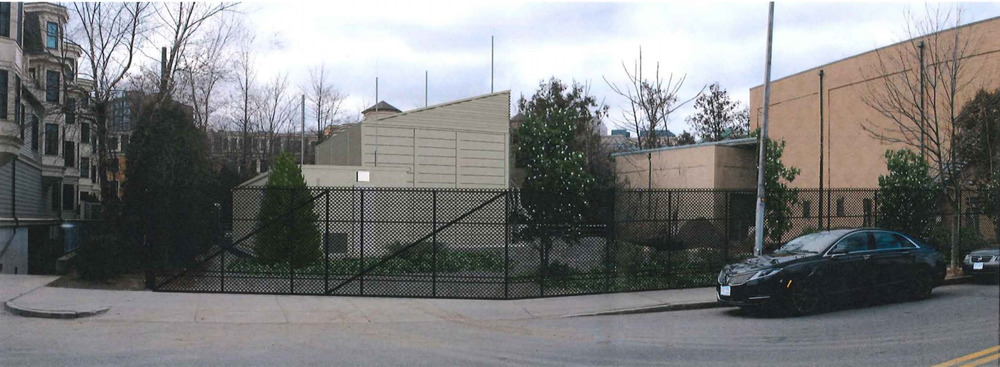 Planned look of the space after the installation of the transformer.
The response of the community to this is to plan to protest the Board of Zoning Appeals meeting on this topic. Community members have made statements acting as if the plan was to demolish a beloved landmark: “… this time around we will not bear the burden of their failures. If more power is needed, let the developers and the City figure out a solution which does not involve significant substations in the residential area…”
The reality is that as we move forward into an era with increased electrical demand, increased infrastructure installations will be necessary. Electricity suffers losses as it moves through the grid, and keeping transformation points close to the users of the power reduces those losses, and prevents the electrical company from needing to perform an extensive – and expensive – rework of the existing grid and lines in order to deliver the power.
With a growing need to bring our daily activities to the grid – via tools like electric cars, heat pumps to replace our carbon-heavy heat generation – there will be a growing need for electricity. If even 1/3rd of Cambridge households shift to an electric vehicle, those 10,000 vehicles will bring a need for 150MW of additional electrical capacity right into our neighborhoods. Moving 10,000 households to tankless electric water heaters means bringing in 270MW of power.
If we are serious about climate change – and in a city as near to the sea level as Boston, we have a pretty strong incentive to push to be very serious – we should expect drastically increased electrical demand on the grid, even if we kept all other choices the same. To try to hold infrastructure away from residential neighborhoods is simply not practical in a world where we move towards increased grid dependence.
I commented recently on the political will in Cambridge to build housing; I think that there simply isn’t enough political will to reach the density we should in order to build the city that we could be. In response, a neighbor pointed out: “I think Cambridge should have enough electricity to power stuff, but that appears to be a radical thought in the neighborhood.”
Indeed.